From smoky bamboo-cooked delicacies to rich bowls of aromatic laksa, Sarawak’s vibrant culinary landscape offers an unforgettable taste of Borneo’s diverse heritage and traditions.
Nestled on the island of Borneo, Sarawak is a destination celebrated not only for its ancient rainforests and cultural diversity, but also for its remarkable culinary heritage. Influenced by Malay, Chinese and Indigenous Dayak traditions, Sarawakian cuisine presents a fascinating blend of flavours, cooking techniques and locally sourced ingredients that reflect the state’s multicultural identity.
From bustling street food stalls in Kuching to traditional family-run eateries across the region, every dish tells a story of community, history and creativity. Whether it is a comforting bowl of noodles, fresh seafood delicacies or traditional Indigenous recipes prepared using age-old methods, Sarawak offers a culinary experience unlike any other in Malaysia.
Kolo Mee
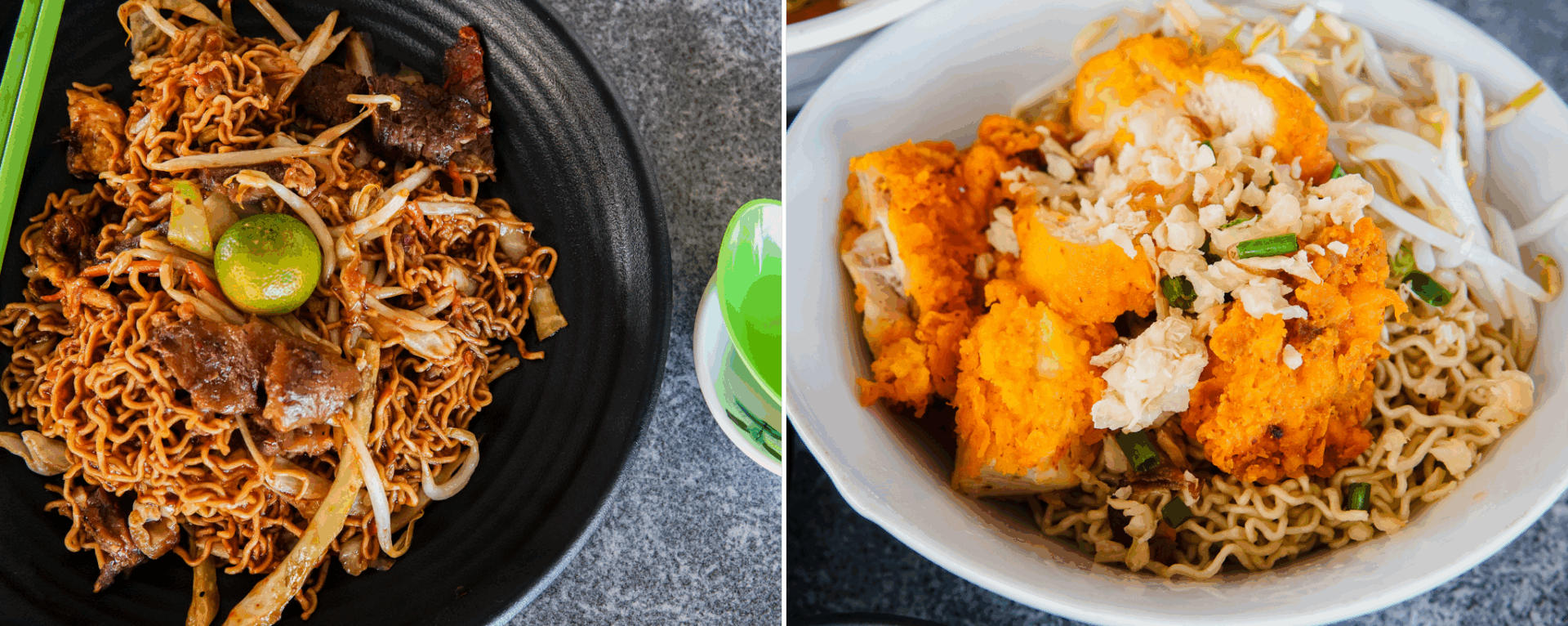
Kolo Mee is one of Sarawak’s most iconic dishes and a staple comfort food among locals. Prepared using springy egg noodles tossed in a light savoury sauce, the dish is commonly topped with slices of BBQ pork or chicken, minced meat, shallots and crispy fried onions. The name originates from the Cantonese phrase “gon lo”, meaning “dry mix”, which perfectly describes its simple yet flavourful preparation.
Unlike heavier noodle dishes, Kolo Mee is lightly seasoned with soy sauce, fish sauce and a touch of MSG, allowing the texture of the noodles to shine. Halal variations are also widely available, replacing pork with chicken. The dish is usually accompanied by soup on the side, together with optional wontons, fish balls and vegetables.
Sarawak Laksa
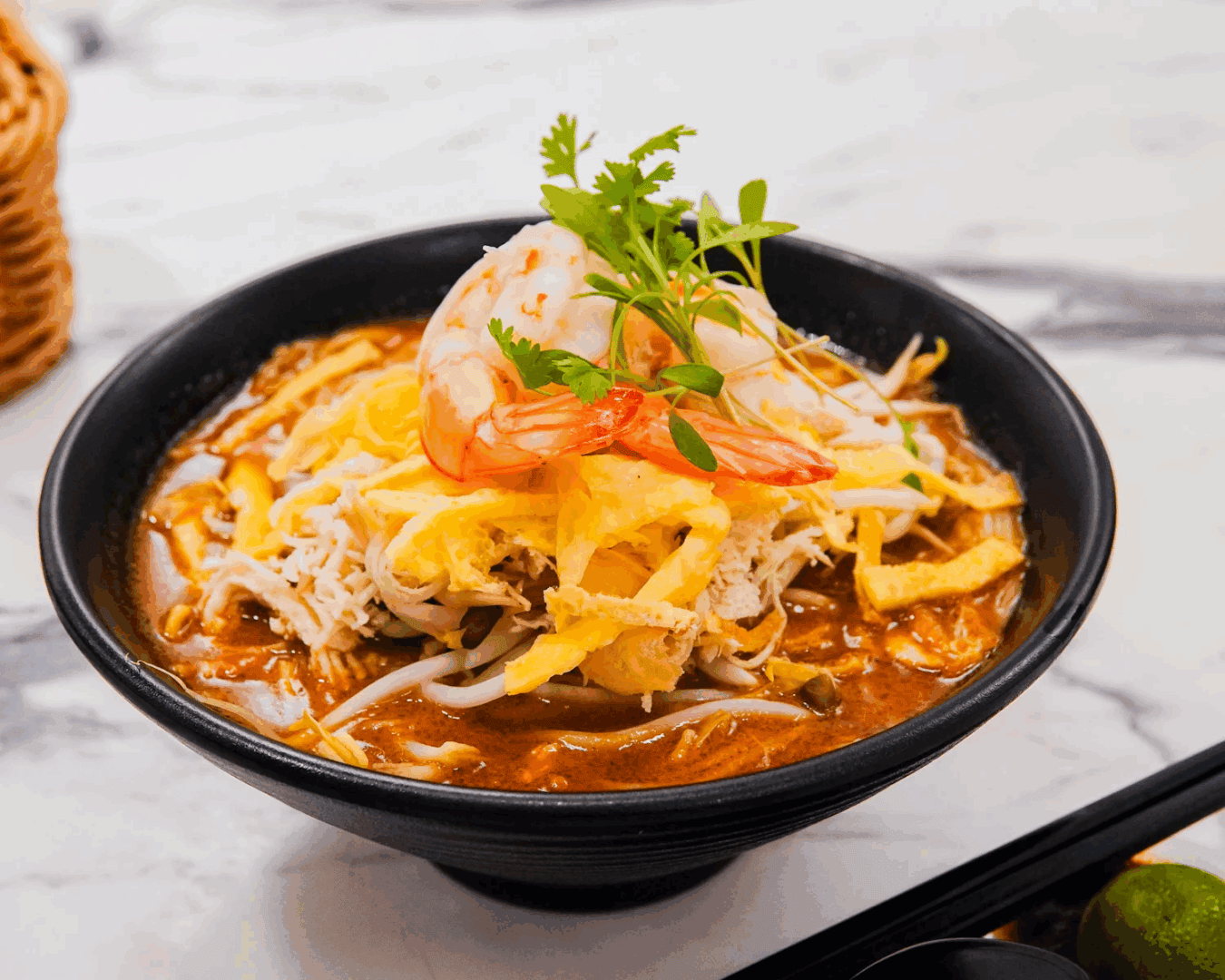
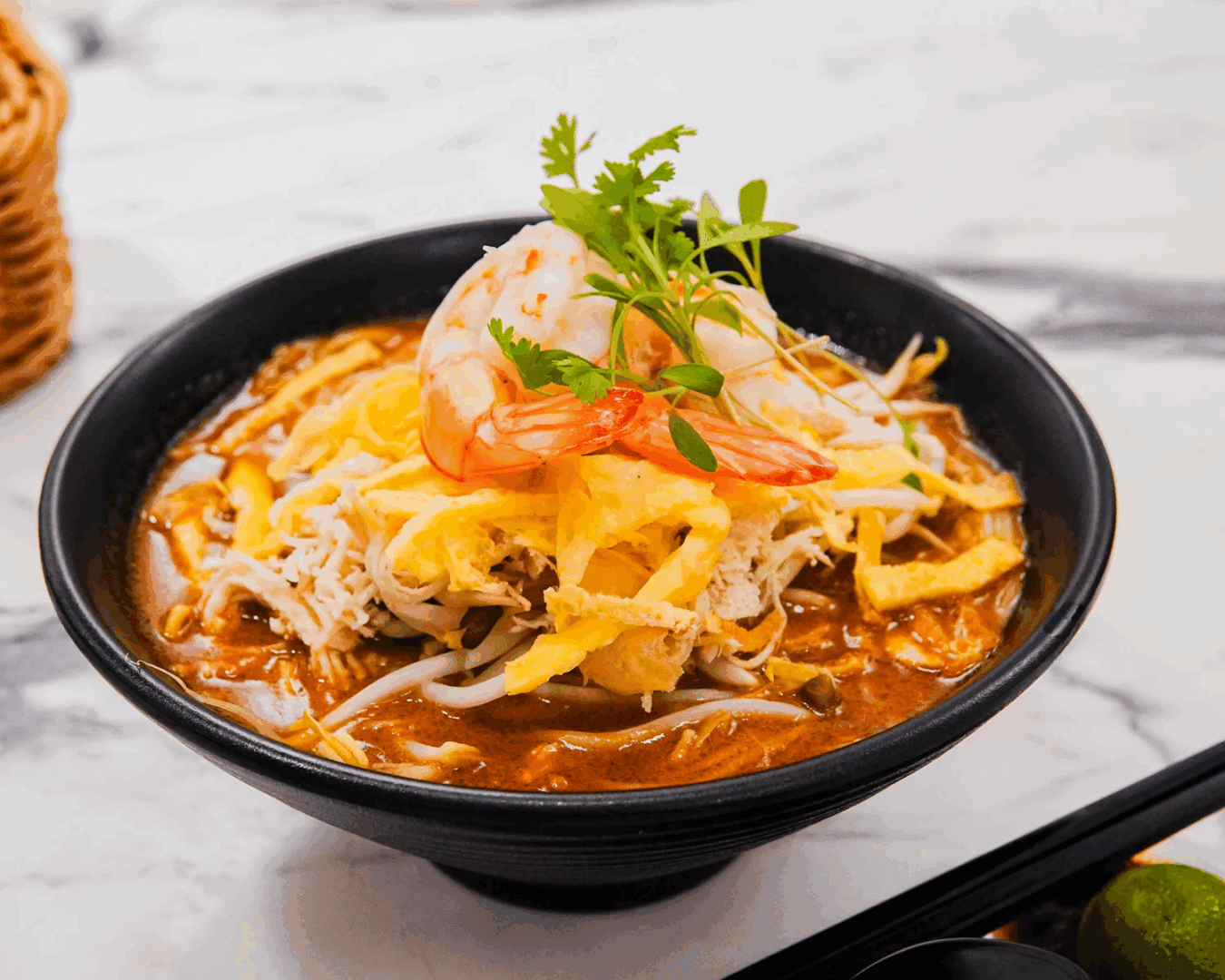
Often regarded as one of Malaysia’s best noodle dishes, Sarawak Laksa is famous for its rich and aromatic broth. The soup base combines a medley of spices including turmeric, lemongrass, galangal and chillies, enriched with shrimp paste and coconut milk for a creamy finish.
Served with rice vermicelli noodles, Sarawak Laksa is typically garnished with shredded chicken, prawns, bean sprouts, omelette strips and fresh coriander, before being finished with a squeeze of lime. The result is a balanced harmony of spicy, savoury and citrusy flavours that distinguishes it from other laksa varieties found throughout Malaysia.
Ayam Pansuh
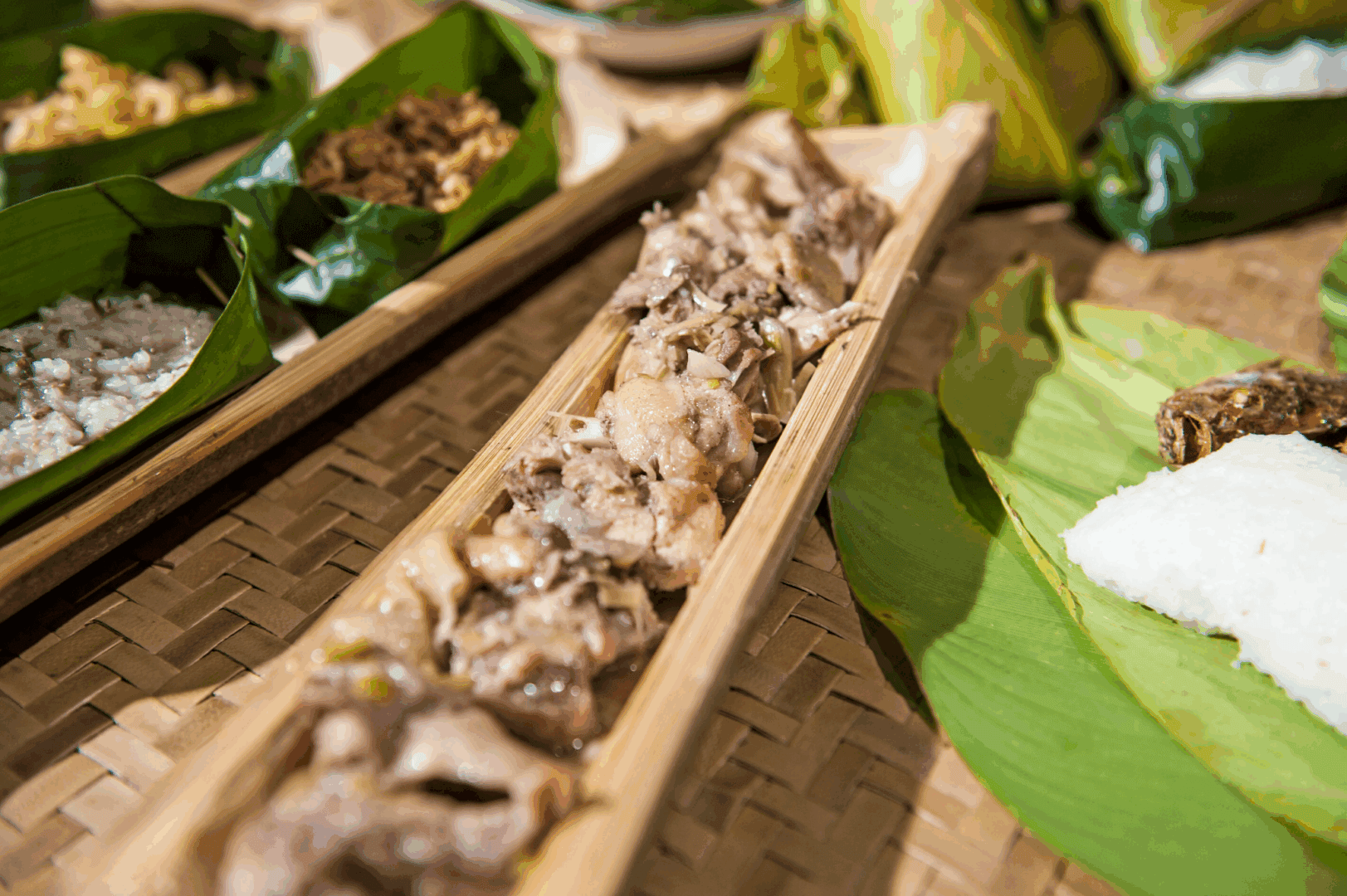
Ayam Pansuh, also known as Manok Pansoh, is a traditional Indigenous Dayak dish renowned for its unique bamboo cooking method. Chicken is marinated with local herbs and spices such as lemongrass, ginger and garlic before being stuffed into bamboo tubes and cooked over an open fire.
This traditional preparation infuses the meat with a smoky aroma whilst preserving its tenderness and moisture. Frequently served during festive celebrations and communal gatherings, Ayam Pansuh symbolises Sarawak’s deep-rooted Indigenous culinary traditions and communal lifestyle.
Sago Linut
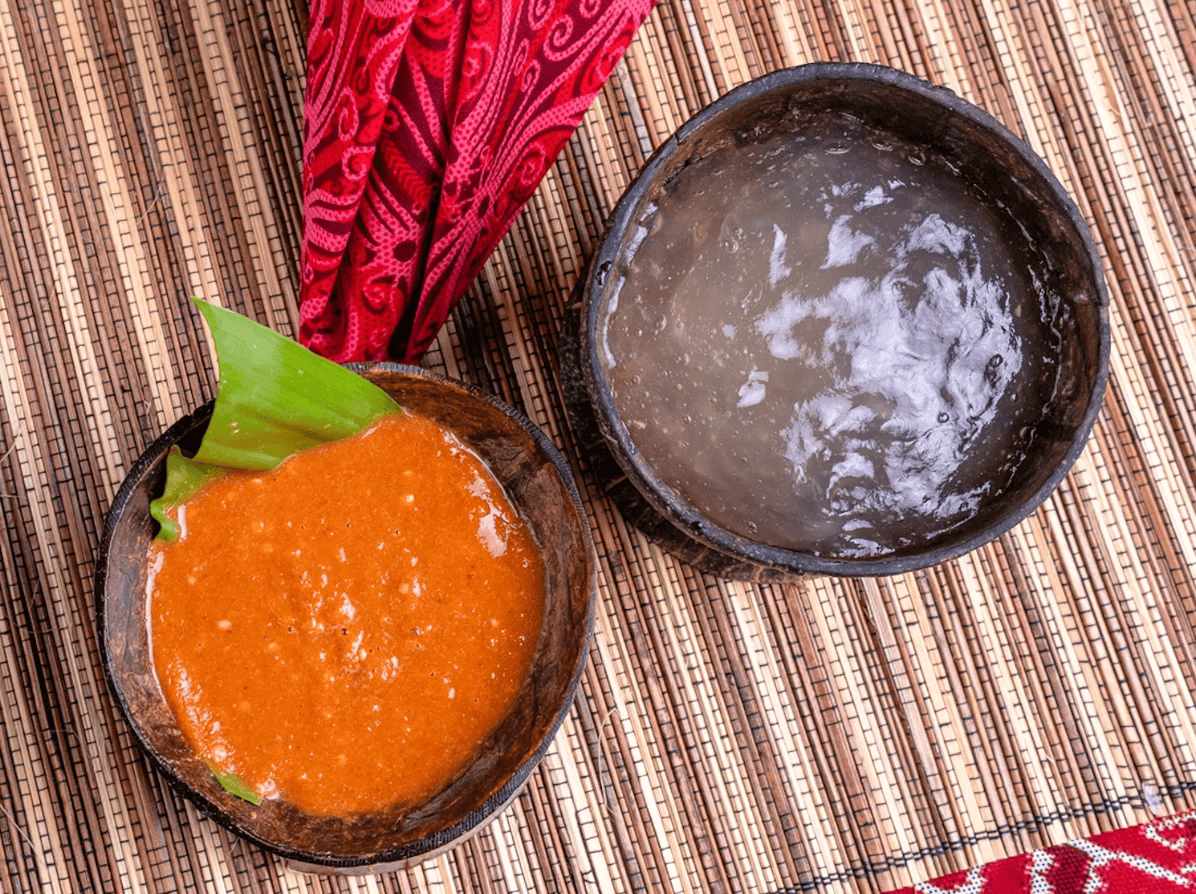
Sago Linut is a staple food among Indigenous Dayak communities and plays an important role in traditional Sarawakian cuisine. Made from starch extracted from the sago palm, the dish is prepared by mixing sago with hot water to form a thick, chewy paste with a gelatinous texture.
Although relatively bland on its own, Sago Linut is commonly paired with flavourful side dishes such as seafood gravies, spicy sambal and meat stews, allowing it to absorb and complement stronger flavours beautifully.
Nasi Aruk
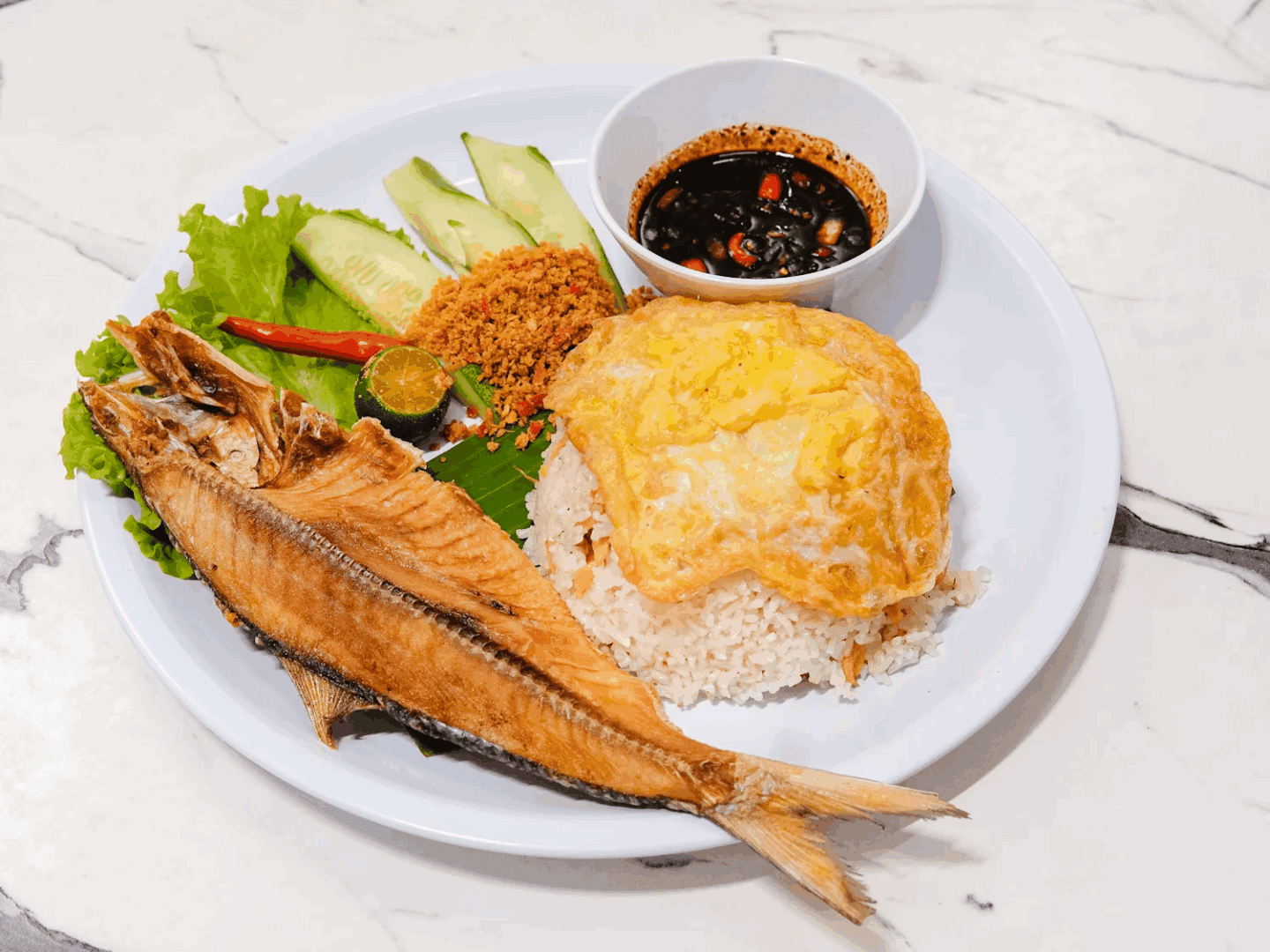
Nasi Aruk is a unique toasted rice dish popular among the Indigenous Iban, Bidayuh and Orang Ulu communities. Unlike conventional fried rice, the rice is dry-toasted without oil until lightly charred, giving the dish its distinctive smoky aroma.
The dish is usually prepared with anchovies, torch ginger flower, turmeric leaves and bird’s eye chillies, then served alongside grilled fish, sambal and fresh vegetables. Nasi Aruk reflects Sarawak’s culture of resourcefulness and communal dining traditions, where meals are often prepared for sharing amongst family and friends.
Nasi Goreng Dabai

Nasi Goreng Dabai is a distinctly Sarawakian fried rice dish featuring dabai, a seasonal fruit native to the region often referred to as the “Sarawak olive”. Once soaked in warm water to soften its flesh, the fruit develops a creamy texture and rich flavour that pairs beautifully with savoury fried rice.
Typically cooked with chicken, prawns or eggs alongside vegetables and sambal, Nasi Goreng Dabai offers a delightful combination of savoury, tangy and slightly buttery notes.
Umai

Umai is a traditional raw fish salad enjoyed by the Dayak and Melanau communities, particularly in coastal areas. Fresh fish such as mackerel is thinly sliced and marinated in lime juice, which naturally cures the fish through its acidity.
The dish is mixed with onions, chillies, tomatoes and seasonings including salt and fish sauce, resulting in a refreshing and zesty flavour profile. Often served chilled, Umai showcases Sarawak’s rich seafood culture and reliance on fresh local ingredients.
Kek Lapis Sarawak
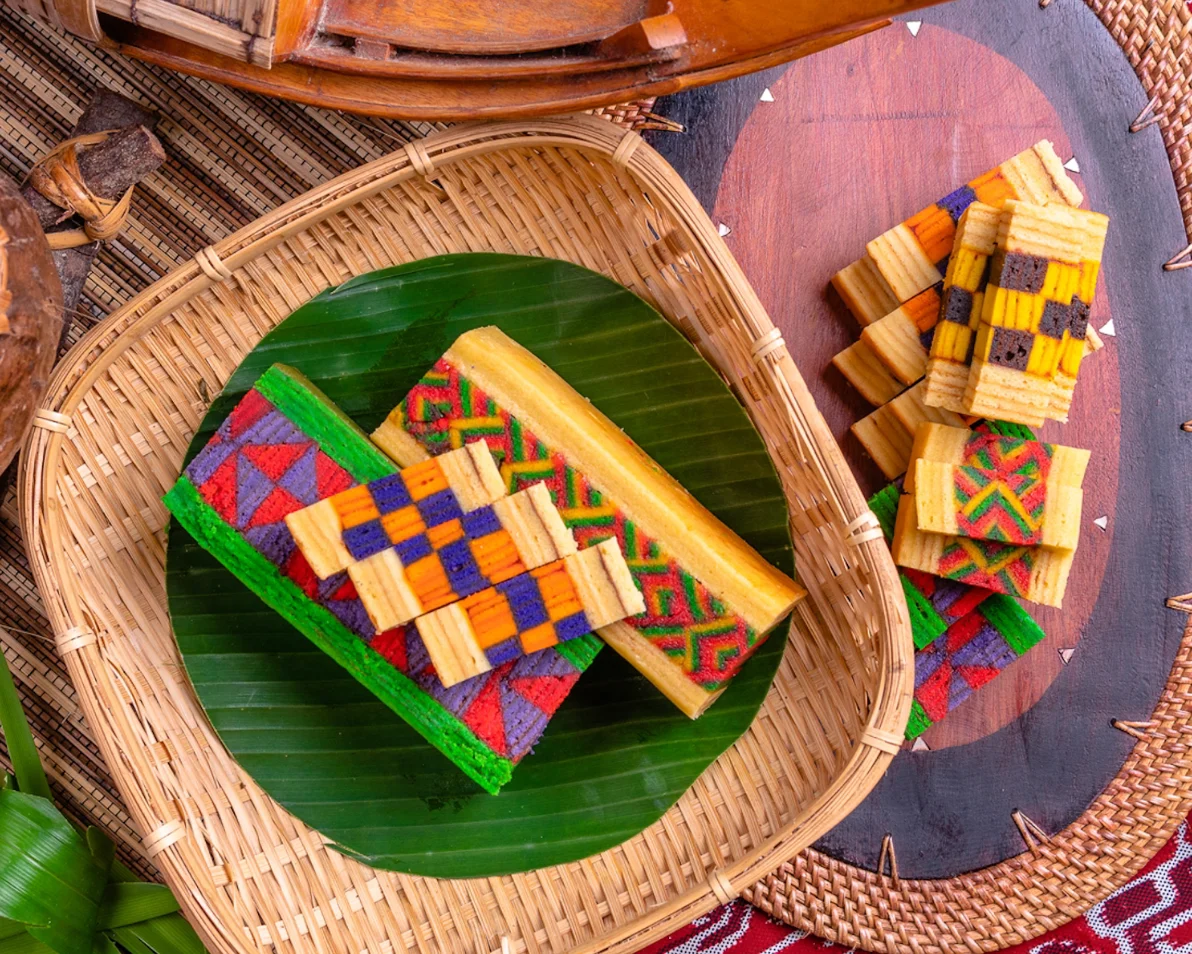
Kek Lapis Sarawak is perhaps the state’s most visually recognisable dessert. This colourful layered cake gained popularity in the 1980s and has since become synonymous with festive celebrations including Hari Raya Aidilfitri and Chinese New Year.
Made from layers of butter cake batter flavoured with chocolate, vanilla or spices, each layer is individually baked before the next is added, creating intricate patterns and vibrant colour combinations. The process requires patience and craftsmanship, resulting in a soft, rich cake with a buttery texture.
Mee Jawa Rabak

Mee Jawa Rabak is a hearty noodle dish known for its thick, flavourful gravy made from spices, tamarind and soy sauce. Served with yellow noodles, the dish often includes chicken, beef or prawns together with vegetables such as potatoes and bean sprouts.
The combination of savoury, mildly sweet and tangy flavours creates a deeply comforting dish commonly enjoyed during family gatherings and special occasions.
Paku and Midin

Paku and Midin are edible fern vegetables highly valued in Sarawakian cuisine. Paku Pakis features tender young fern shoots with a crunchy texture, often stir-fried with garlic and chilli.
Midin, native to Sarawak, is particularly beloved for its delicate curly fronds and slightly nutty flavour. Frequently stir-fried with shrimp paste or garlic, both vegetables are rich in nutrients and remain staples in local households and seafood restaurants alike.
Oyster Pancake

A popular street food favourite, Oyster Pancake combines fresh oysters with a seasoned batter made from flour and eggs. Cooked until crisp on the outside whilst remaining soft within, the dish delivers a delicious contrast of textures.
Typically served with chilli sauce or dipping sauces, Oyster Pancake highlights Sarawak’s appreciation for fresh seafood and comforting local snacks.
Bamboo Clam
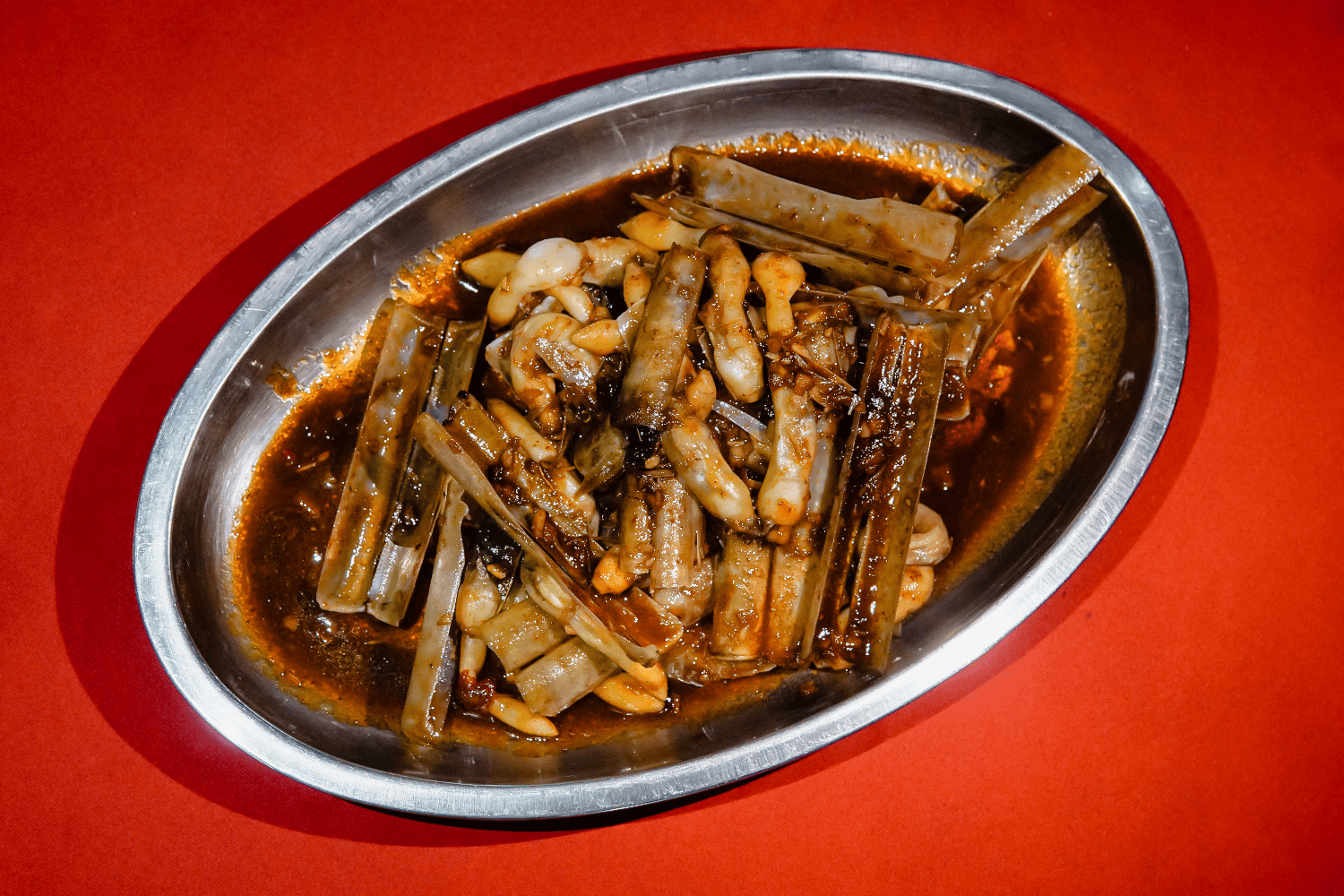
Bamboo Clam, recognised for its long cylindrical shell resembling bamboo, is another prized seafood delicacy in Sarawak. The clams are usually grilled, steamed or stir-fried with garlic, ginger and soy sauce to preserve their naturally sweet flavour.
Rich in protein and minerals, Bamboo Clams are commonly enjoyed as part of larger seafood feasts in coastal towns and riverside communities throughout Sarawak.
Sarawak’s culinary landscape is a reflection of its multicultural society, Indigenous heritage and abundance of natural resources. From humble noodle dishes and traditional bamboo-cooked meals to vibrant desserts and fresh seafood specialities, every bite offers travellers a deeper understanding of the region’s identity and traditions.
For food lovers seeking an authentic taste of Borneo, Sarawak promises a memorable gastronomic adventure filled with rich flavours, cultural stories and unforgettable dining experiences.
Source: Malaysia Tourism