Discover Kuala Lumpur’s mix of modern landmarks, green spaces, cultural attractions, historic sites, shopping districts and diverse culinary experiences.
Kuala Lumpur brings together modern architecture, historic landmarks, cultural institutions, green spaces and lively neighbourhoods within a compact and energetic capital city. From the soaring Petronas Twin Towers to traditional temples, heritage buildings and bustling food streets, the city offers a wide range of experiences for first-time visitors and returning travellers alike.
The city’s appeal lies in the contrast between its contemporary skyline and older neighbourhoods. Towering skyscrapers stand alongside historic railway stations, mosques, temples and colonial-era buildings, while parks and botanical gardens provide pockets of greenery amid the urban landscape.
Whether exploring Kuala Lumpur’s landmarks, sampling local food, shopping, visiting museums or simply walking through its historic districts, these attractions provide a useful introduction to the Malaysian capital.
Outdoor Attractions, Parks and Gardens
KLCC Park and Petronas Twin Towers

Located beneath the iconic Petronas Twin Towers, KLCC Park provides a green retreat in the heart of the city. Its landscaped gardens, walking paths and water features offer visitors a chance to enjoy some open space while surrounded by Kuala Lumpur’s modern skyline.

The Petronas Twin Towers themselves offer two observation experiences. The Skybridge connects the towers at the 41st floor, approximately 170 metres above ground, while the Observation Deck on the 86th floor provides panoramic views of Kuala Lumpur.

At 451.9 metres, the Petronas Twin Towers remain taller than KL Tower, although the latter’s position on a hill can make it appear higher from certain parts of the city. Visitors planning to go up the towers are advised to check availability and book tickets in advance.
KL Bird Park

Located within the Perdana Botanical Gardens, KL Bird Park is home to around 3,000 birds representing more than 200 species. The park is divided into four zones, with several areas designed as free-flight environments where visitors can observe birds at close range.
Among the highlights are the hornbill zone and the World of Parrots, while flightless birds such as ostriches and emus can also be seen. Bird shows and scheduled feeding sessions take place throughout the day.


The park provides an opportunity to experience Malaysia’s birdlife within a landscaped environment and is particularly suitable for visitors travelling with children.
Perdana Botanical Garden

Established in 1888, Perdana Botanical Garden is one of Kuala Lumpur’s most established green spaces. The expansive gardens feature tropical plants, flowers, lakes and landscaped areas, providing a peaceful contrast to the surrounding city.
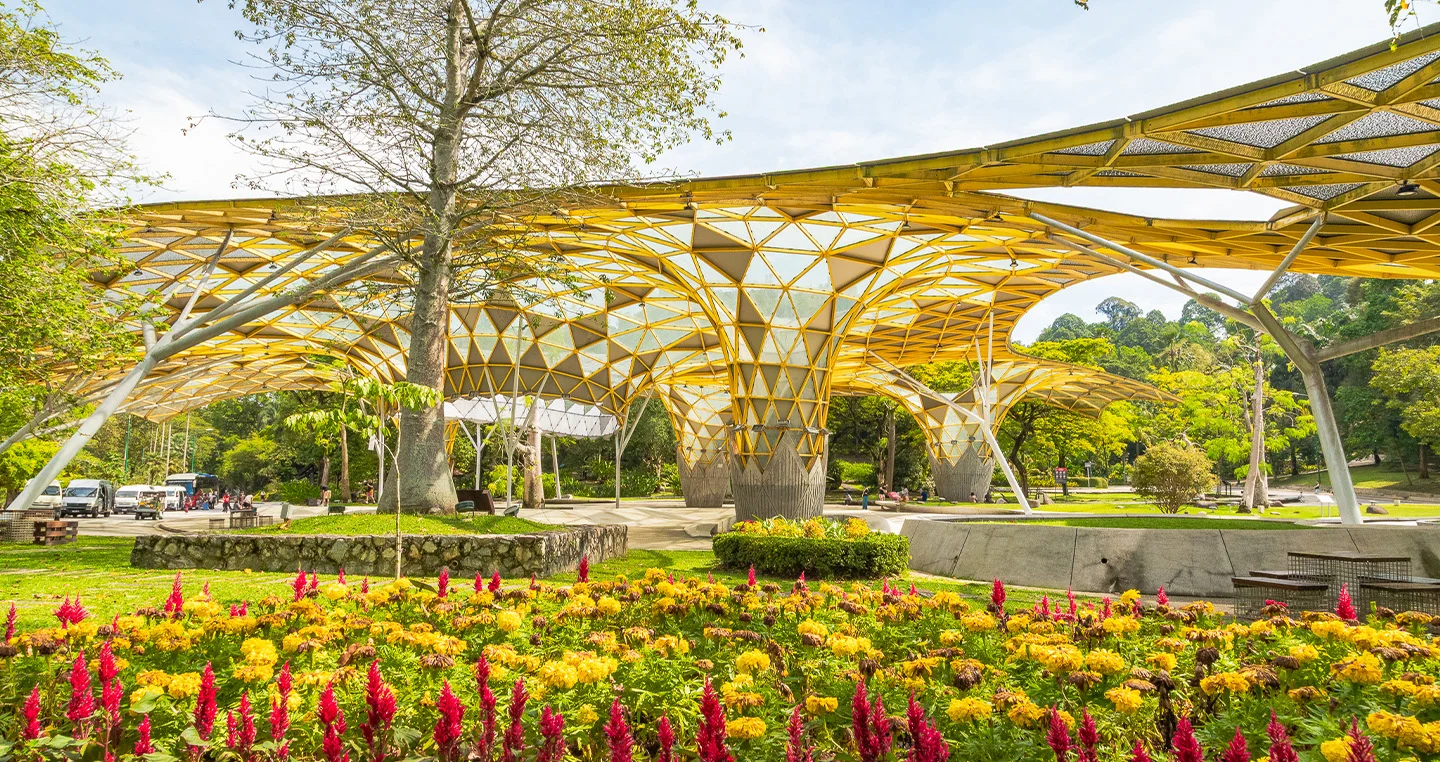
One of its recognisable features is the Laman Perdana canopy, whose large geometric structures provide shade for visitors. The gardens are also a popular location for morning walks, jogging and photography.
Taman Tugu

Taman Tugu offers a different outdoor experience with more than five kilometres of trails through a 66-acre public forest park. The conservation initiative has included the planting of more than 50,000 native trees, creating an urban forest close to central Kuala Lumpur.

The trails are suitable for visitors looking for a relatively accessible introduction to hiking in the city. Located nearby is Tugu Negara, Malaysia’s National Monument, a 15-metre bronze sculpture designed by Austrian sculptor Felix de Weldon.
The monument, erected in 1964, commemorates those who fought for Malaysia’s independence and is surrounded by landscaped grounds, a reflection pool and fountains.
Kuala Lumpur Skyline
KL Tower

KL Tower offers one of the most recognisable views of the Kuala Lumpur skyline. Unlike the Petronas Twin Towers, which provide views from within the city’s most famous landmark, KL Tower offers visitors the opportunity to see the Twin Towers themselves as part of the panorama.
The Observation Deck is located at 276 metres, while the open-air Sky Deck stands at 300 metres. The Sky Box extends beyond the tower with a glass floor, offering an elevated view over the city.
For visitors looking for a more relaxed experience, the revolving restaurant provides views of Kuala Lumpur while gradually rotating above the city. An evening visit can offer changing views as daylight gives way to the city’s illuminated skyline.
Food and Shopping
Bukit Bintang

Bukit Bintang is Kuala Lumpur’s major shopping and entertainment district, combining luxury shopping centres, restaurants, cafés and nightlife.
Pavilion Kuala Lumpur anchors the area’s high-end retail scene, while surrounding streets offer a broad selection of dining options. Changkat Bukit Bintang provides another popular area for restaurants and evening entertainment.

The district is particularly lively after dark, making it a convenient destination for visitors looking to combine shopping, dining and entertainment in one area.
Suria KLCC

Located at the foot of the Petronas Twin Towers, Suria KLCC is a six-storey shopping centre with more than 300 stores. The mall combines international brands with attractions including Kinokuniya and Petrosains, The Discovery Centre.
Petrosains offers interactive exhibits centred on science, technology and Malaysia’s petroleum industry. Visitors can also find a broad selection of Malaysian and international food at the Signatures Food Court, which overlooks KLCC Park.
Jalan Alor


Jalan Alor comes alive after sunset, with food stalls and restaurants lining the street in the Bukit Bintang area. It is one of Kuala Lumpur’s most recognisable destinations for street food.
Visitors can find grilled skewers, seafood, noodles, curries, fruit and other local dishes, with Chinese, Malay and other culinary influences represented throughout the area.
Visitors looking for halal food should check the halal status of individual stalls, as offerings vary between establishments.
Petaling Street

Petaling Street is one of Kuala Lumpur’s best-known traditional market areas. Its covered street is lined with stalls selling clothing, accessories, souvenirs and other goods, with bargaining forming part of the shopping experience.


The surrounding neighbourhood adds further cultural interest. REXKL occupies a converted former cinema, while Kwai Chai Hong features murals and restored heritage-style lanes. The nearby Sri Maha Mariamman Temple also provides an important cultural and religious landmark.
Kampung Baru

Kampung Baru provides a glimpse of a different side of Kuala Lumpur. Established in the early 20th century, the Malay enclave retains traditional houses and a strong community character despite being surrounded by the city’s rapidly developing skyline.


The Saloma Link provides a striking pedestrian connection between Kampung Baru and the KLCC area. Its curved structure incorporates references to Malay traditional motifs and has become a popular photography spot.

Kampung Baru is also well known for Malay cuisine, including nasi lemak and other local specialities.
Central Market

Central Market has occupied its present location since 1888 and remains an important destination for Malaysian arts, crafts and souvenirs.


Inside, visitors can browse batik, ceramics, pewter, textiles and other locally produced items. The nearby Annexe Gallery hosts exhibitions and markets, while the market’s location makes it easy to combine a visit with Petaling Street and other attractions in the historic city centre.
Museums and Galleries
Muzium Negara


The National Museum provides an introduction to Malaysia’s history and cultural development through four permanent galleries. Its collections cover subjects ranging from prehistoric Malaysia and the Hindu-Buddhist kingdoms to the Islamic sultanates, colonial period and independence.


The museum building itself is also notable, featuring a roofline inspired by traditional Malay architecture and large exterior mosaics depicting Malaysian life.
Royal Selangor Visitor Centre


The Royal Selangor Visitor Centre introduces visitors to Malaysia’s long-standing pewter-making tradition. Royal Selangor traces its history to 1885, and the centre combines a museum, factory tour and hands-on workshops.


Visitors can observe artisans working with pewter and participate in the School of Hard Knocks workshop, where participants create their own pewter piece. The experience provides an insight into both the craftsmanship and heritage behind one of Malaysia’s best-known traditional industries.
Bank Negara Malaysia Museum and Art Gallery

The Bank Negara Malaysia Museum and Art Gallery combines economics, history and art within the Sasana Kijang complex.


Its galleries explore the development of money in Malaysia, from early forms of exchange and historical currencies to modern financial systems. The art gallery presents works by Malaysian and Southeast Asian artists across a range of media.

Admission is free, making it a useful stop for visitors interested in Malaysia’s economic and artistic heritage.
Historical and Cultural Places
Masjid Negara

Masjid Negara is one of Kuala Lumpur’s most distinctive religious landmarks. Its blue umbrella-shaped roof, spacious courtyards and geometric architectural details create a striking setting surrounded by landscaped gardens.


The mosque can accommodate up to 15,000 worshippers. Non-Muslim visitors are welcome during designated visiting periods outside prayer times, with appropriate attire required. Robes are available for visitors who need them.
Sri Maha Mariamman Temple

Located near Petaling Street, Sri Maha Mariamman Temple is one of Malaysia’s oldest Hindu temples. Its elaborate gopuram, decorated with numerous Hindu deities, is one of the most recognisable features of the temple.

Established in the 1870s, the temple remains an active place of worship. Visitors are welcome, but should remove their footwear and dress modestly when entering.
Dataran Merdeka and Sultan Abdul Samad Building

Dataran Merdeka, or Independence Square, occupies an important place in Malaysia’s national history. On 31 August 1957, the Malayan flag was raised here following the lowering of the Union Jack, marking the country’s independence.
The square is framed by notable historic architecture, including the Sultan Abdul Samad Building with its Moorish-inspired arches, copper domes and clock tower.


Following conservation work, parts of the Sultan Abdul Samad Building reopened to the public in 2026, offering visitors an opportunity to explore exhibitions relating to its history and changing role.
Thean Hou Temple

Perched on a hill in Seputeh, Thean Hou Temple is a striking six-tiered temple dedicated to the Goddess of the Sea. Completed in 1989, it is associated with Kuala Lumpur’s Hainanese community and remains an active place of worship.
The temple combines colourful architectural details, ornate rooflines, pagoda-style features and decorative elements. Its elevated position also provides views towards the Kuala Lumpur skyline.

During celebrations such as Chinese New Year and the Mid-Autumn Festival, the temple is particularly notable for its extensive lantern displays.
Seri Negara

Located within the Perdana Botanical Gardens, Seri Negara comprises two colonial-era residences that have played a role in Malaysia’s official history. The buildings were initially associated with the British High Commissioner before later serving as state guesthouses.
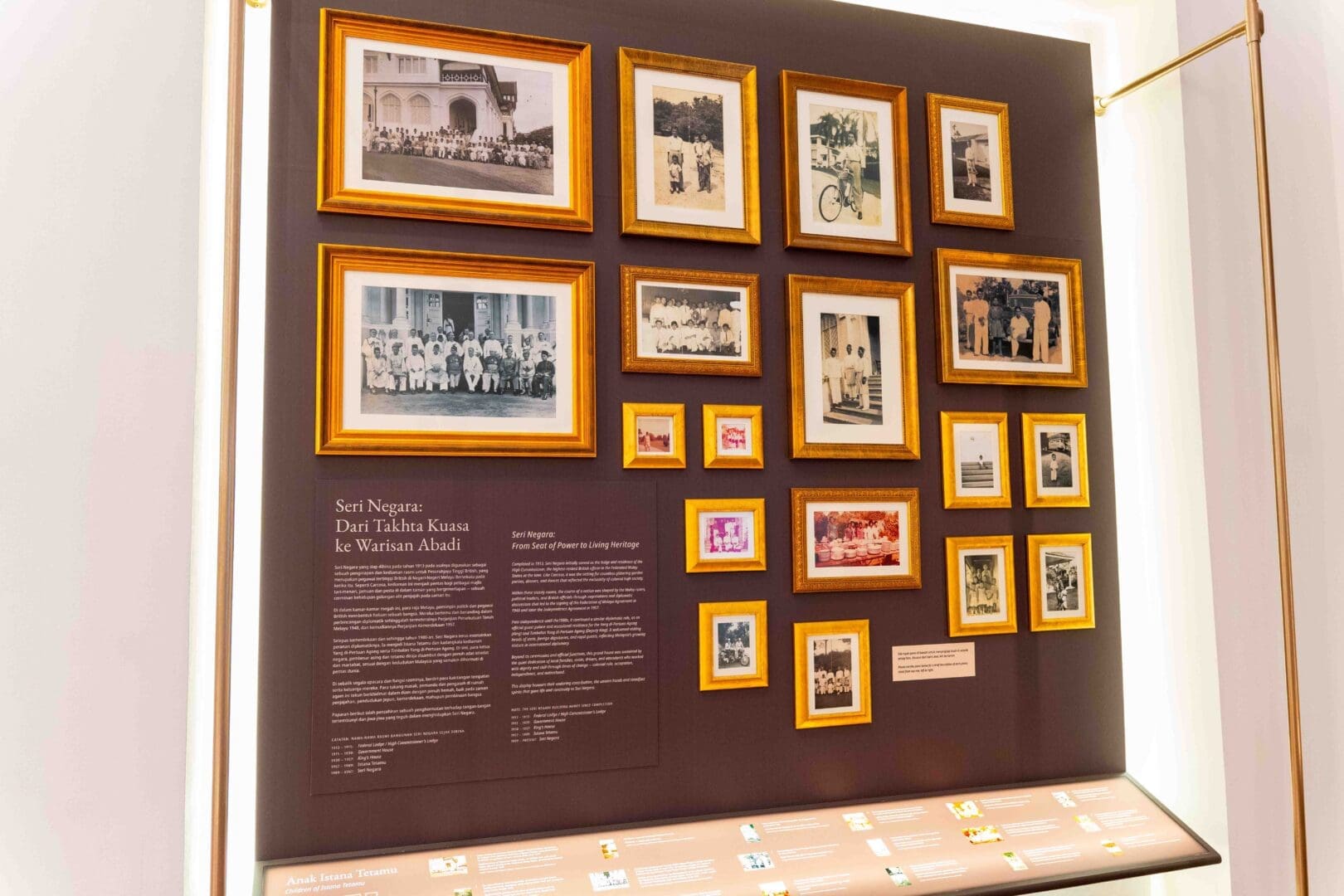

The residences are also known internationally as a filming location for Crazy Rich Asians. While access to the interiors is limited, their architectural character and setting within the Heritage Park make them an interesting stop for visitors exploring the surrounding area.
Masjid Jamek

Situated at the confluence of the Klang and Gombak rivers, Masjid Jamek is one of Kuala Lumpur’s oldest mosques and an important historic landmark.
Its white arches, domes and Moorish-inspired architecture contrast with the modern buildings surrounding it. The mosque is also closely associated with the early development of Kuala Lumpur, making the riverside location particularly significant.

Non-Muslim visitors are welcome during designated visiting hours outside prayer times. Visitors should dress modestly and remove their footwear before entering the prayer areas.
Kuala Lumpur Railway Station

Completed in 1910 and designed by British architect Arthur Benison Hubback, Kuala Lumpur Railway Station is one of the city’s most distinctive historic buildings.
Its white facade, Mughal-inspired domes and pointed arches give the station the appearance of a grand civic building rather than a conventional railway terminal. Although KL Sentral became the city’s principal rail hub in 2001, the historic station remains an important part of Kuala Lumpur’s architectural heritage.

A visit to the station can easily be combined with other heritage attractions around the old city centre.
Exploring Kuala Lumpur
Kuala Lumpur’s attractions reflect the many layers of the Malaysian capital. Modern landmarks such as the Petronas Twin Towers and KL Tower sit alongside historic mosques, temples, markets and colonial-era buildings, while parks and botanical gardens provide green spaces within the urban environment.
For visitors, the city offers the flexibility to combine sightseeing with shopping, food, cultural experiences and outdoor activities. Exploring its neighbourhoods at different times of day also reveals contrasting sides of Kuala Lumpur, from quiet morning gardens and historic squares to illuminated towers and lively food streets after dark.
With so many attractions spread across the city, allowing time to explore beyond the major landmarks can offer a broader understanding of Kuala Lumpur and its distinctive blend of heritage and modernity.
Source: Malaysia Tourism