From stilt-house villages and centuries-old temples to fresh seafood and mangrove-lined waterways, Pulau Ketam offers an unforgettable glimpse into Malaysia’s coastal heritage just a short ferry ride from Port Klang
A Charming Escape from the City
Nestled off the coast of Port Klang in Selangor, Pulau Ketam, which translates to “Crab Island”, is a unique fishing island renowned for its vibrant stilt villages, rich maritime heritage and exceptional seafood. Although modest in size, the island presents visitors with a fascinating blend of culture, history, natural beauty and traditional village life.
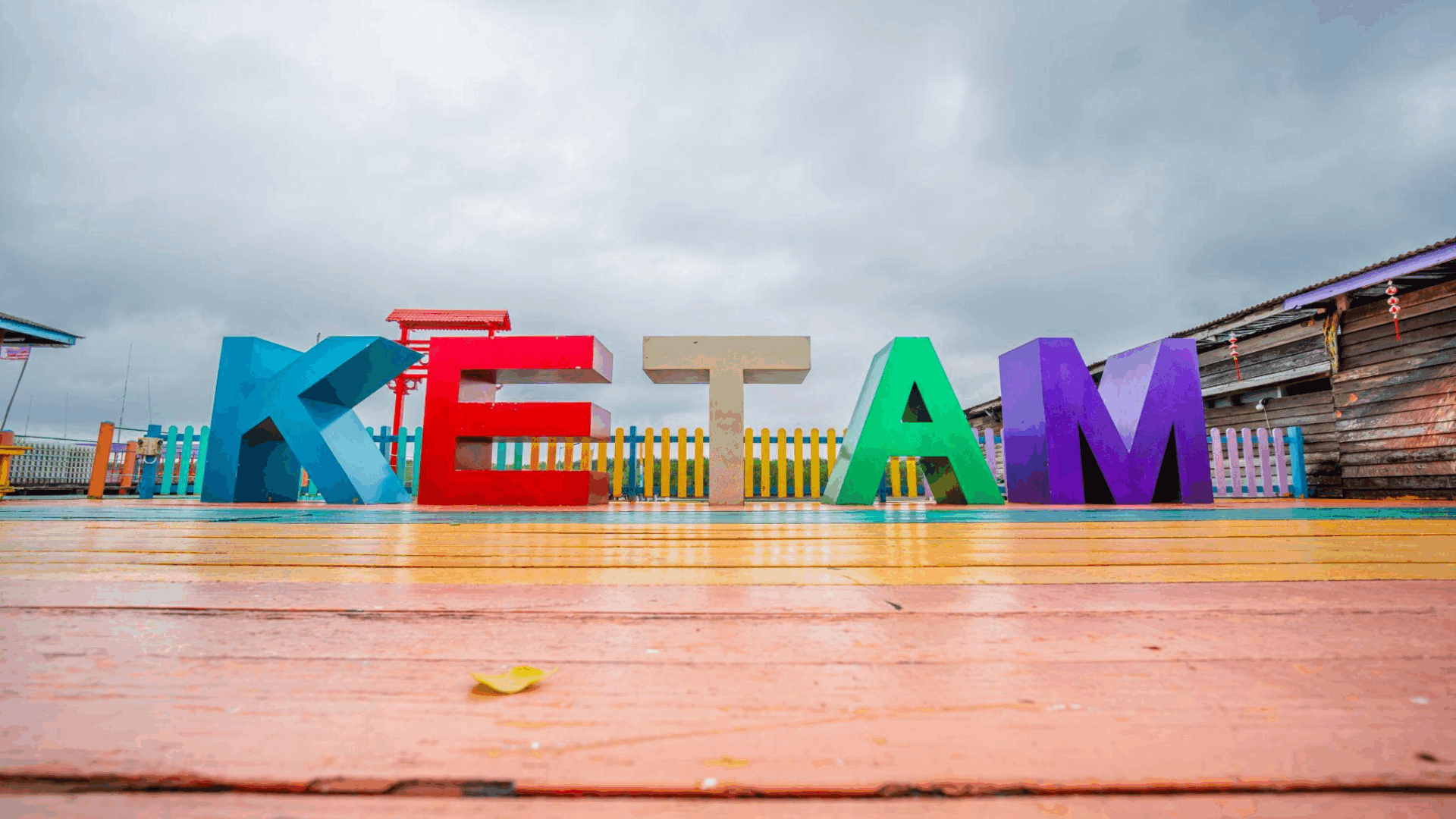
Unlike bustling urban centres, Pulau Ketam moves at a gentler pace. Cars are absent from the island, with bicycles and electric scooters serving as the primary modes of transport. Colourful wooden walkways, pastel-painted houses, hanging Chinese oil-paper umbrellas and fishing boats bobbing along the waterways create a picturesque setting that feels worlds away from city life.
The best time to visit is between March and October, when drier weather offers clearer skies and pleasant conditions for exploring the island’s many attractions.
A Fishing Village Built on Resilience
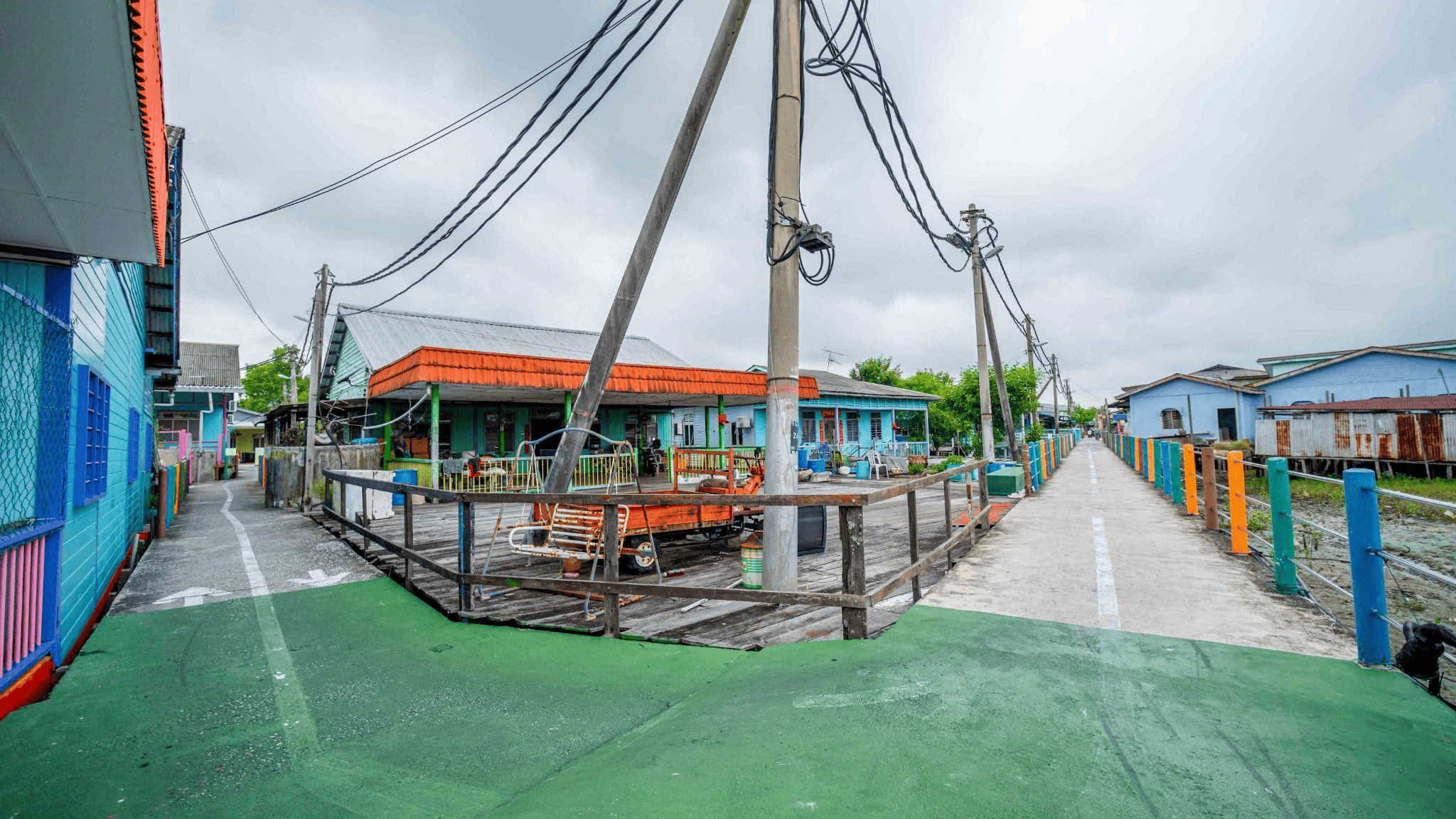
Pulau Ketam’s origins date back to the 1800s when the island consisted mainly of mangrove swamps inhabited by countless crabs. Fishermen from Port Klang regularly travelled here to harvest crabs and other seafood before eventually establishing small settlements to reduce daily travel.
The island experienced significant growth during the Second World War when many sought refuge from the Japanese occupation. Over time, infrastructure improved with the introduction of electricity, educational facilities and ferry services, transforming Pulau Ketam from a settlement of just a few dozen families into a thriving community of several thousand residents.
Today, the island remains closely connected to the sea, with fishing and seafood processing continuing to form the backbone of the local economy.
Exploring the Pulau Ketam Fishing Village
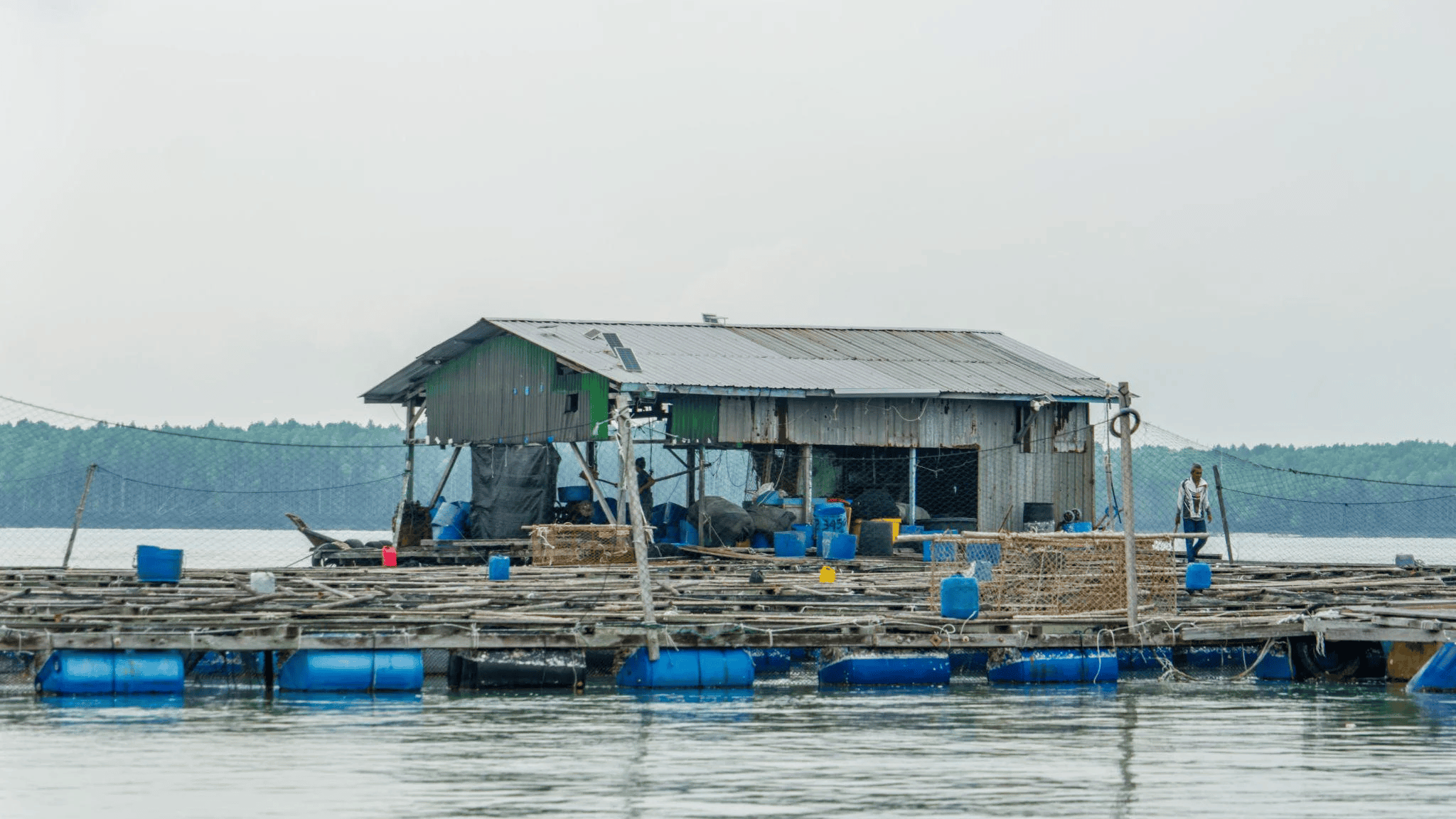
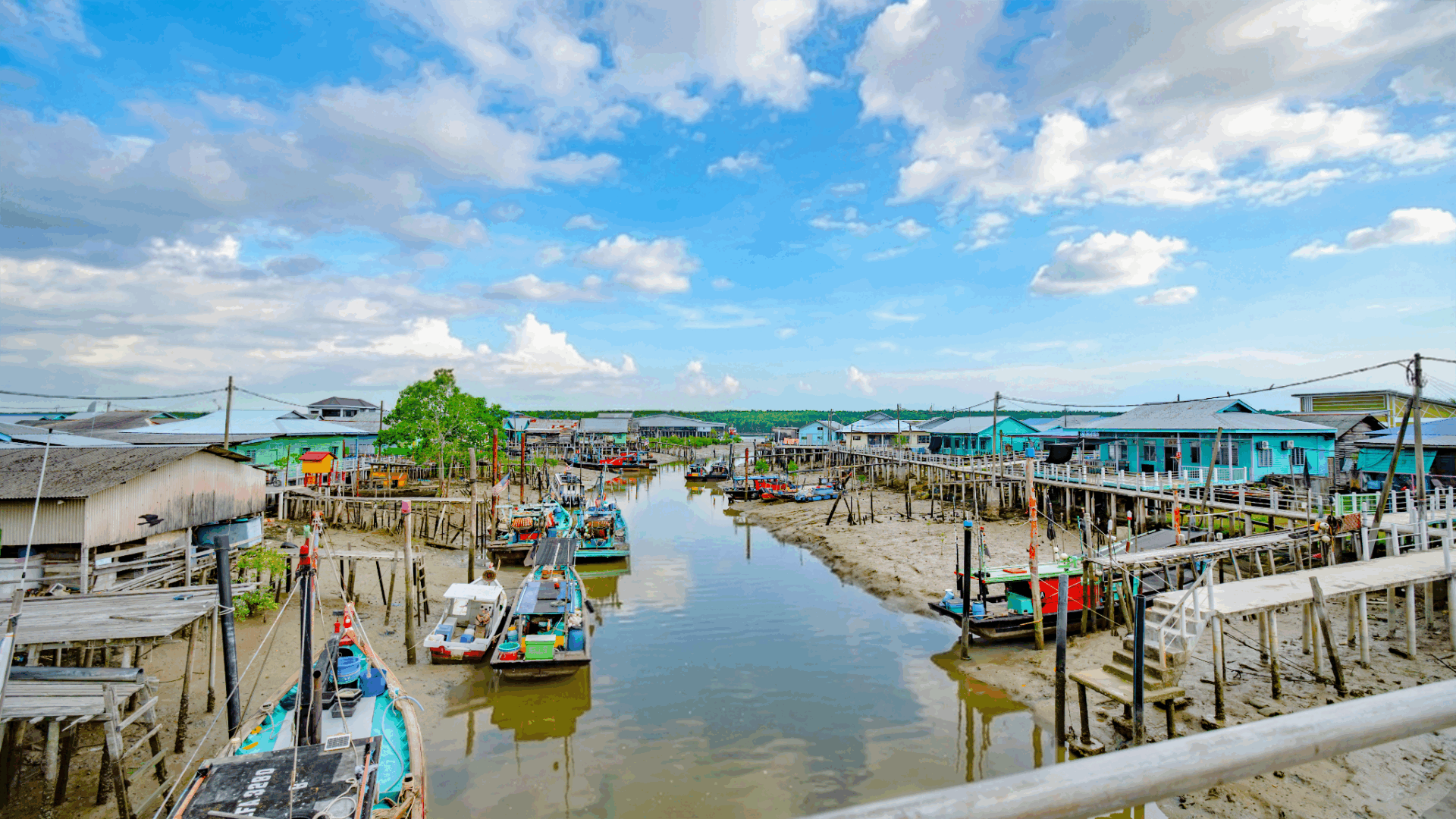
One of the island’s most captivating attractions is its iconic fishing village, built entirely on stilts above tidal mudflats and mangrove swamps. Elevated several feet above the ground to accommodate changing tides, the village demonstrates the ingenuity and adaptability of its residents.
No two houses appear exactly alike. Painted in an array of pastel shades, the homes create a cheerful landscape connected by narrow wooden walkways that weave through the settlement. Family-run shops, jetties and communal spaces sit alongside residential homes, offering visitors an authentic glimpse into everyday island life.
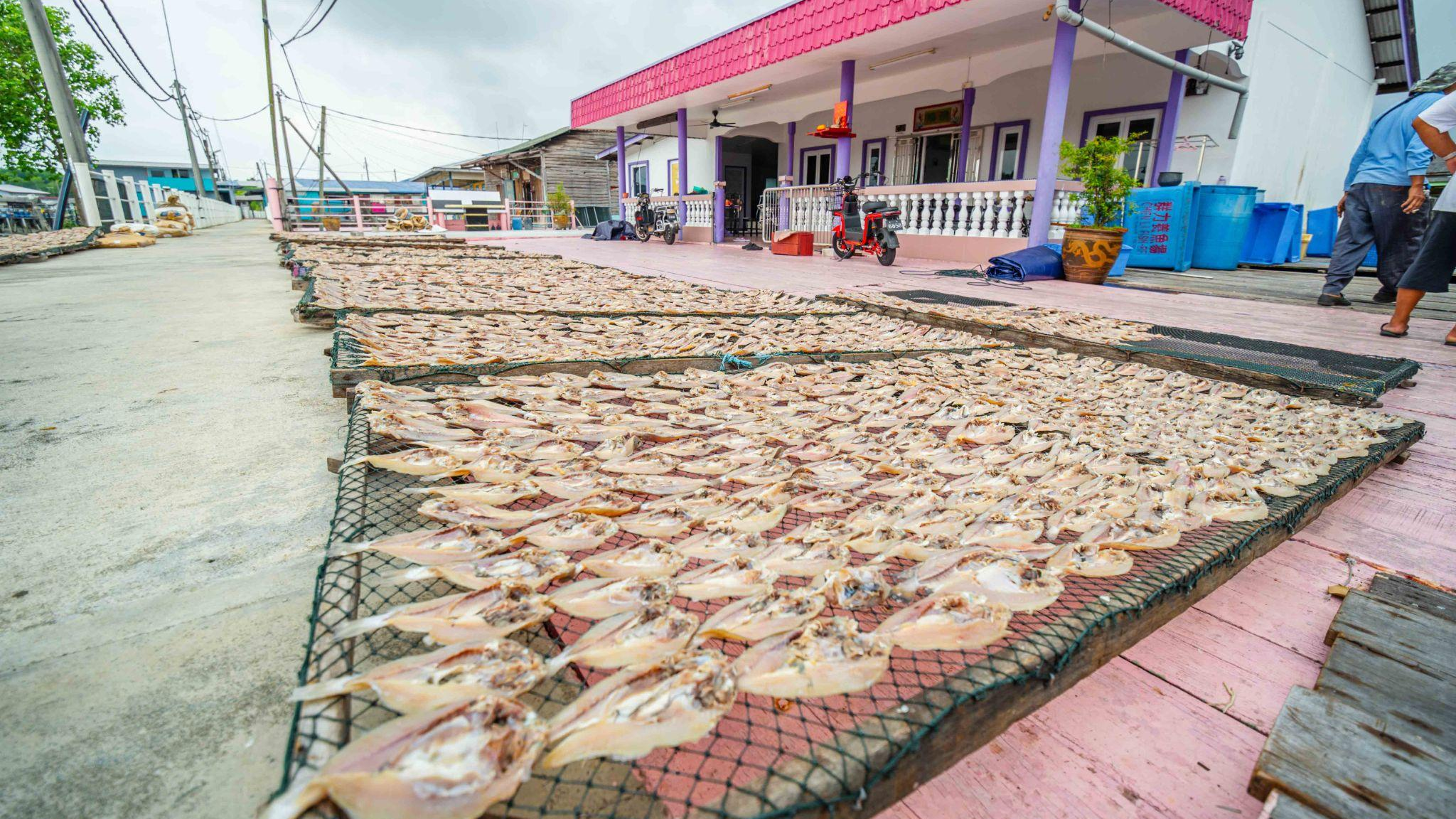
The rhythm of daily activities remains closely tied to the tides. During high tide, boats can travel directly to homes and jetties, while low tide reveals expansive mudflats rich with marine life. Walking through the village allows visitors to witness this unique relationship between community and environment while appreciating the resilience of those who call the island home.
Hock Leng Keng Temple: A Spiritual Landmark
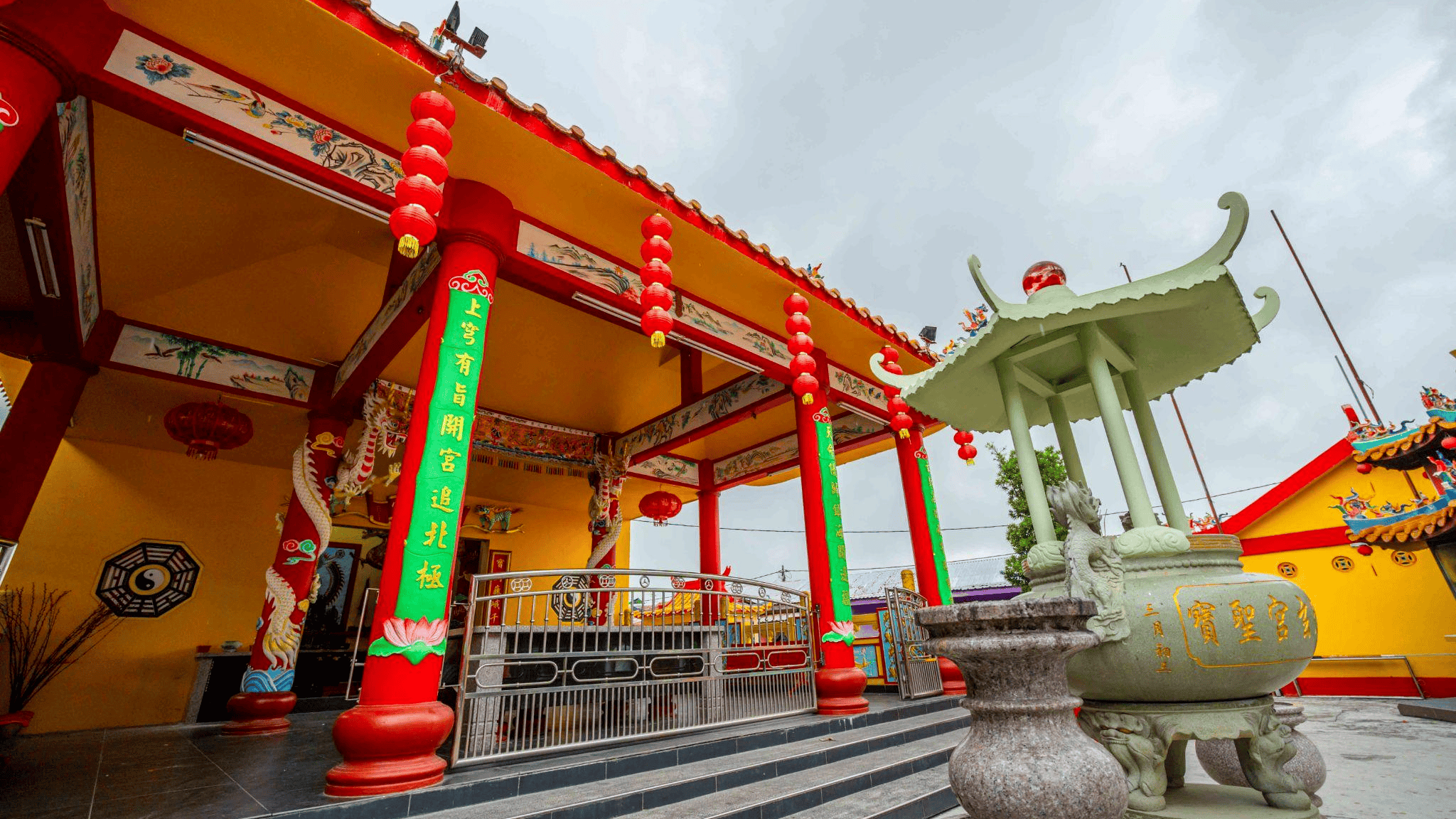
Among Pulau Ketam’s most significant cultural landmarks is Hock Leng Keng Temple, one of the island’s largest Taoist temples. Established in 1894, the temple was built to serve the local Hokkien community and is dedicated to Li Fu Tong Zi Ye, a deity associated with filial piety, prosperity and protection.
The temple’s striking architecture immediately captures attention. Intricately crafted dragon sculptures coil around entrance pillars, while colourful murals and detailed carvings depict traditional Chinese legends, folklore and spiritual themes.
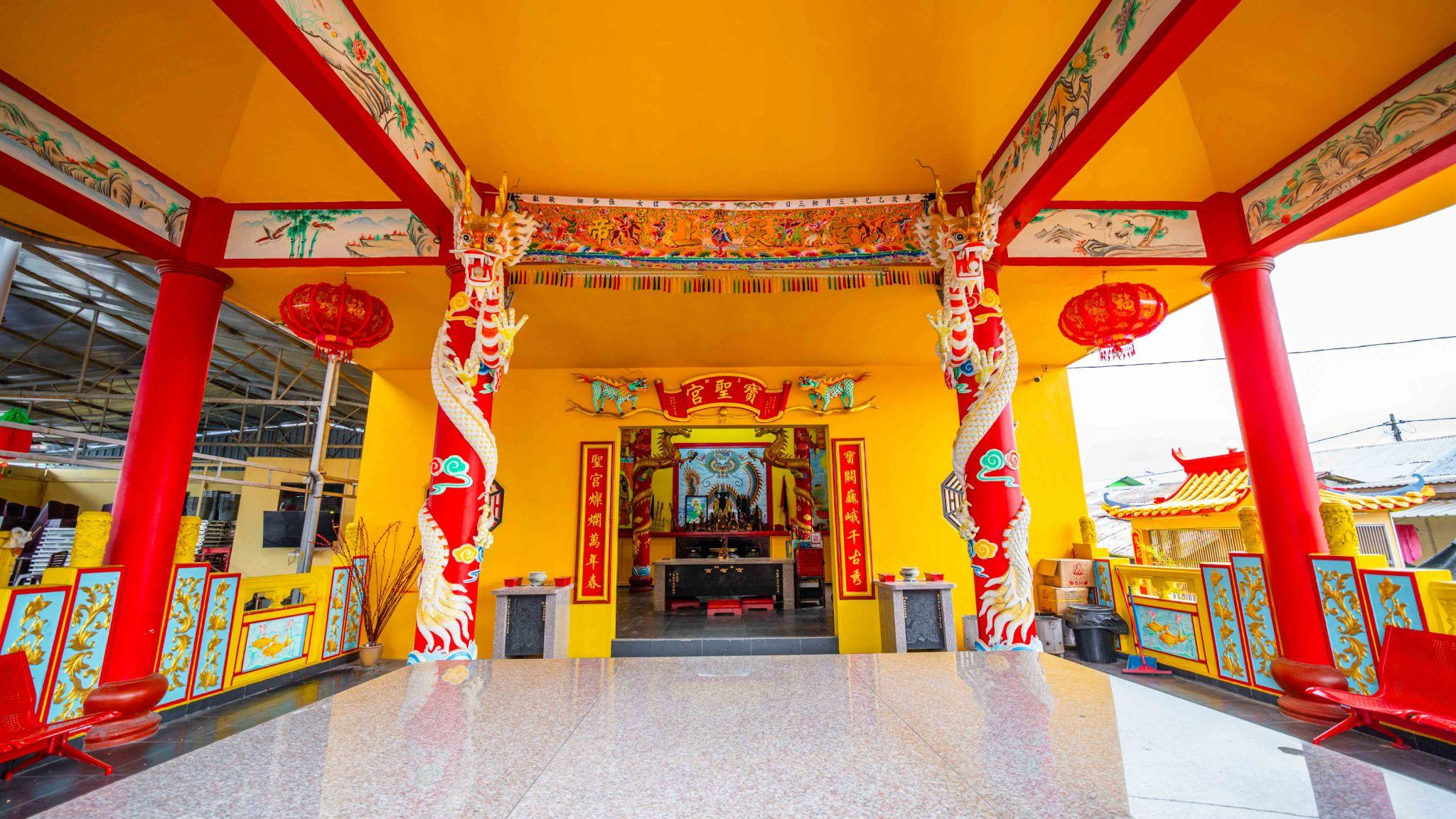
Inside, golden-yellow walls contrast beautifully with vibrant red pillars and structural elements, reflecting the community’s strong cultural heritage. For generations, fishermen have visited the temple to seek blessings, protection and good fortune before embarking on fishing expeditions.
The temple remains an important community hub and hosts traditional Chinese opera performances and cultural celebrations according to the Chinese lunar calendar, preserving customs that have been passed down through generations.
A Seafood Lover’s Paradise

No visit to Pulau Ketam would be complete without indulging in its renowned seafood. Given the island’s close ties to the fishing industry, restaurants serve some of the freshest catches available, prepared using recipes perfected over decades.

Crab is undoubtedly the island’s signature delicacy. Diners can enjoy it prepared in a variety of styles, including chilli crab, black pepper crab, salted egg crab or simply steamed to highlight the natural sweetness of the meat.
Beyond crab, visitors can savour succulent butter prawns, freshly grilled fish, steamed seafood and a variety of vegetable dishes paired with silky tofu and savoury sauces. Meals are typically served family-style, encouraging sharing and creating a warm communal dining experience.

The island’s seafood restaurants embody the traditional Chinese dining atmosphere—lively, bustling and focused on flavour. Whether dining in a small family-run eatery or a larger restaurant, visitors are guaranteed an authentic culinary experience that celebrates the abundance of the surrounding waters.
A Setting Worthy of the Silver Screen
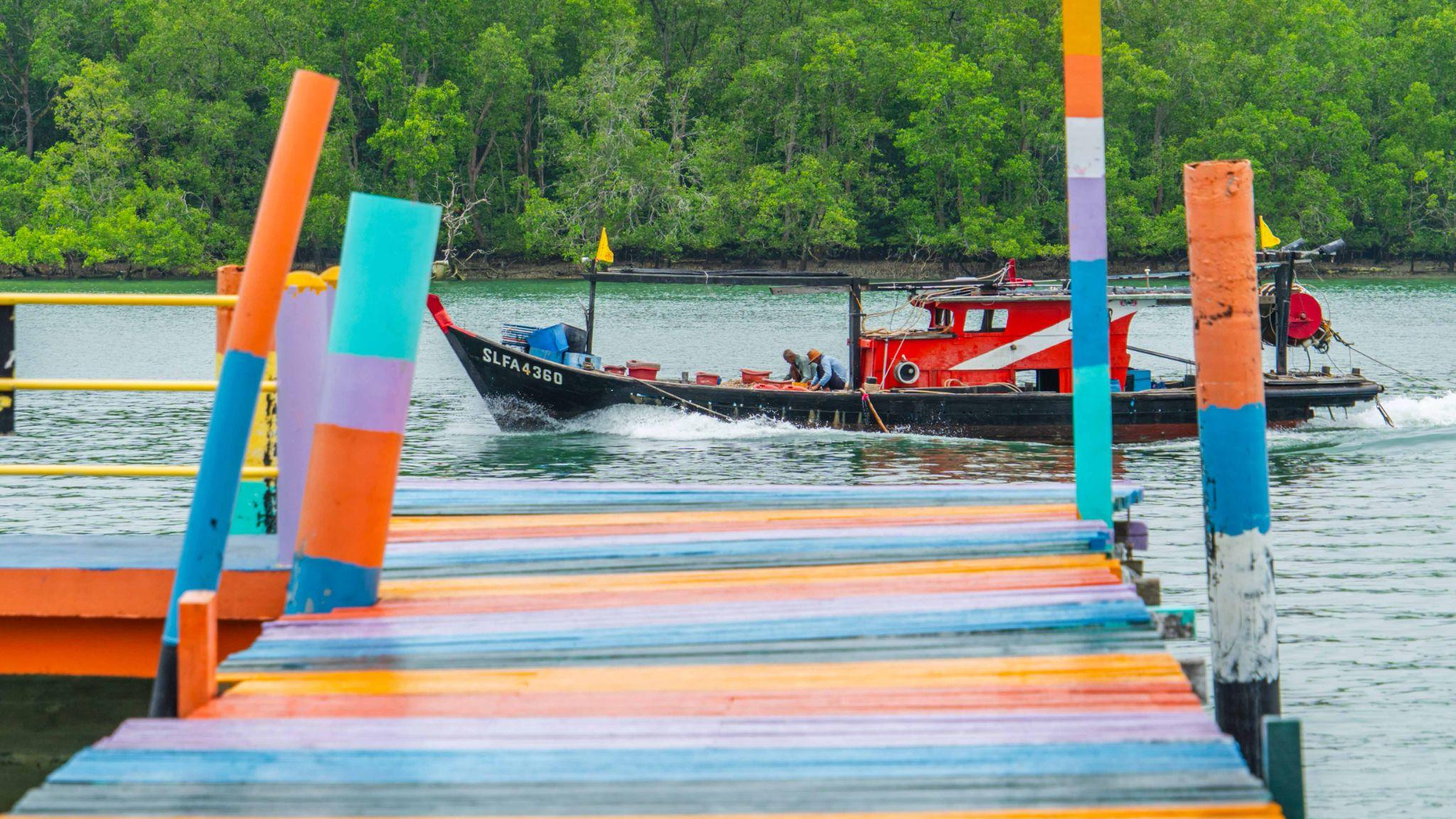
With its colourful streetscapes, charming waterfront views and rustic atmosphere, Pulau Ketam has long attracted photographers and filmmakers. Its distinctive character led to the island being selected as the principal filming location for the Malaysian romantic drama Paint My Love in 2015.
Every corner offers a photogenic scene, from brightly painted schools and traditional temples to wooden bridges stretching across the village and fishing boats framed against endless skies.
Getting to Pulau Ketam
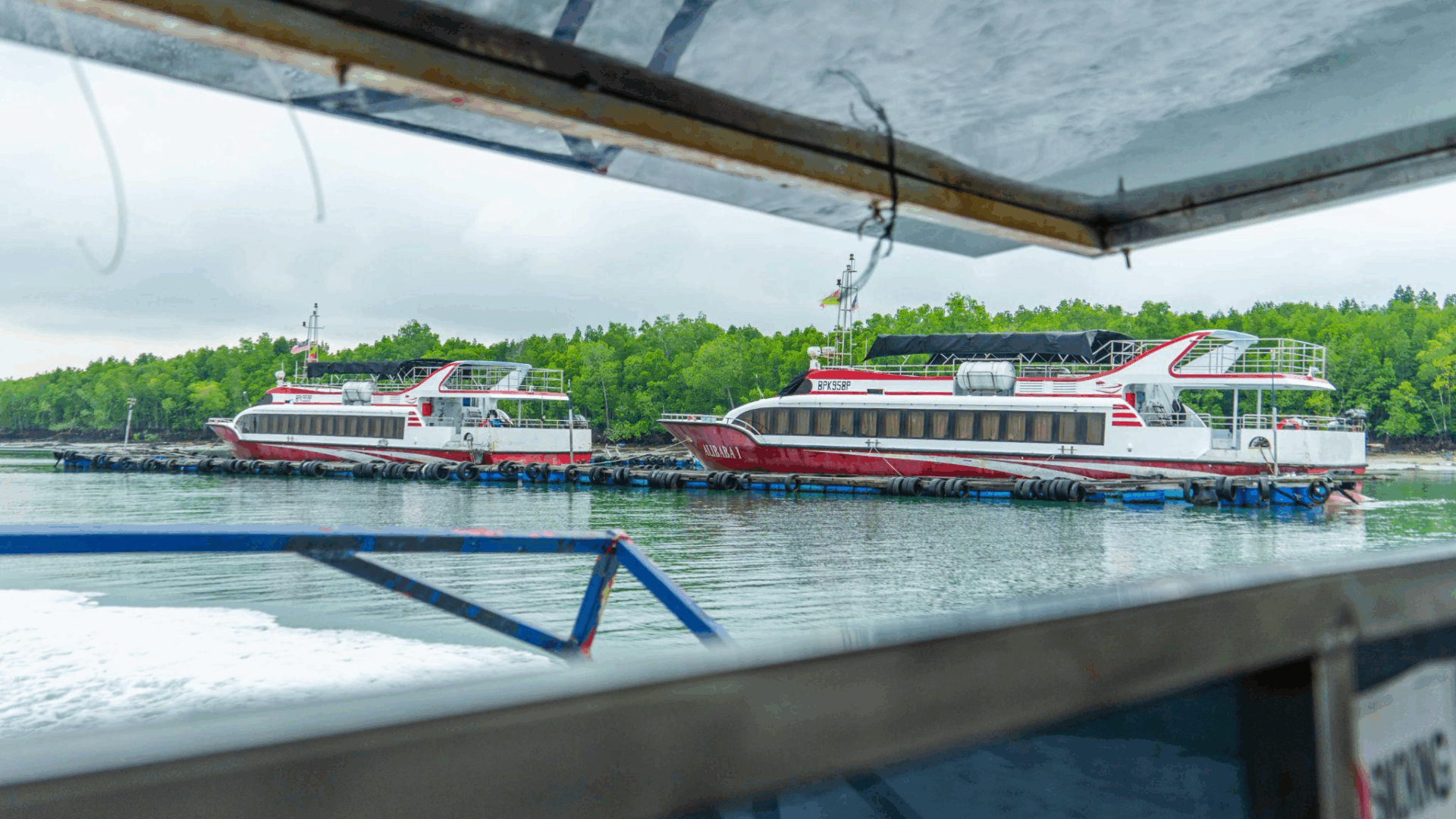
Travelling to Pulau Ketam is both convenient and enjoyable. Most visitors begin their journey at Port Klang, located approximately one hour from Kuala Lumpur.
Those driving can reach Port Klang via major highways, while public transport users can take the KTM Komuter Port Klang Line from Kuala Lumpur. Upon arrival at the jetty, regular ferry services transport passengers to Pulau Ketam in approximately 30 to 45 minutes.
The ferry journey itself offers scenic views of mangrove forests, fishing vessels and coastal landscapes, providing a fitting introduction to the island’s maritime charm.
Once on the island, visitors can explore entirely on foot, by bicycle or by electric scooter, allowing them to fully embrace the slower pace and unique character that make Pulau Ketam one of Selangor’s most memorable destinations.
A Coastal Gem Preserving Tradition
Pulau Ketam offers far more than a simple island getaway. It is a living heritage destination where traditional fishing culture, community spirit and natural beauty continue to thrive. From wandering through colourful stilt villages and admiring ornate temples to feasting on freshly caught seafood, every experience reveals another layer of the island’s enduring charm.
For travellers seeking an authentic cultural escape beyond Malaysia’s urban attractions, Pulau Ketam remains a captivating destination where history, nature and local traditions come together in perfect harmony.
Source: Malaysia Tourism