India’s 2026 Chairship advanced BRICS cooperation on trade, technology and development priorities.
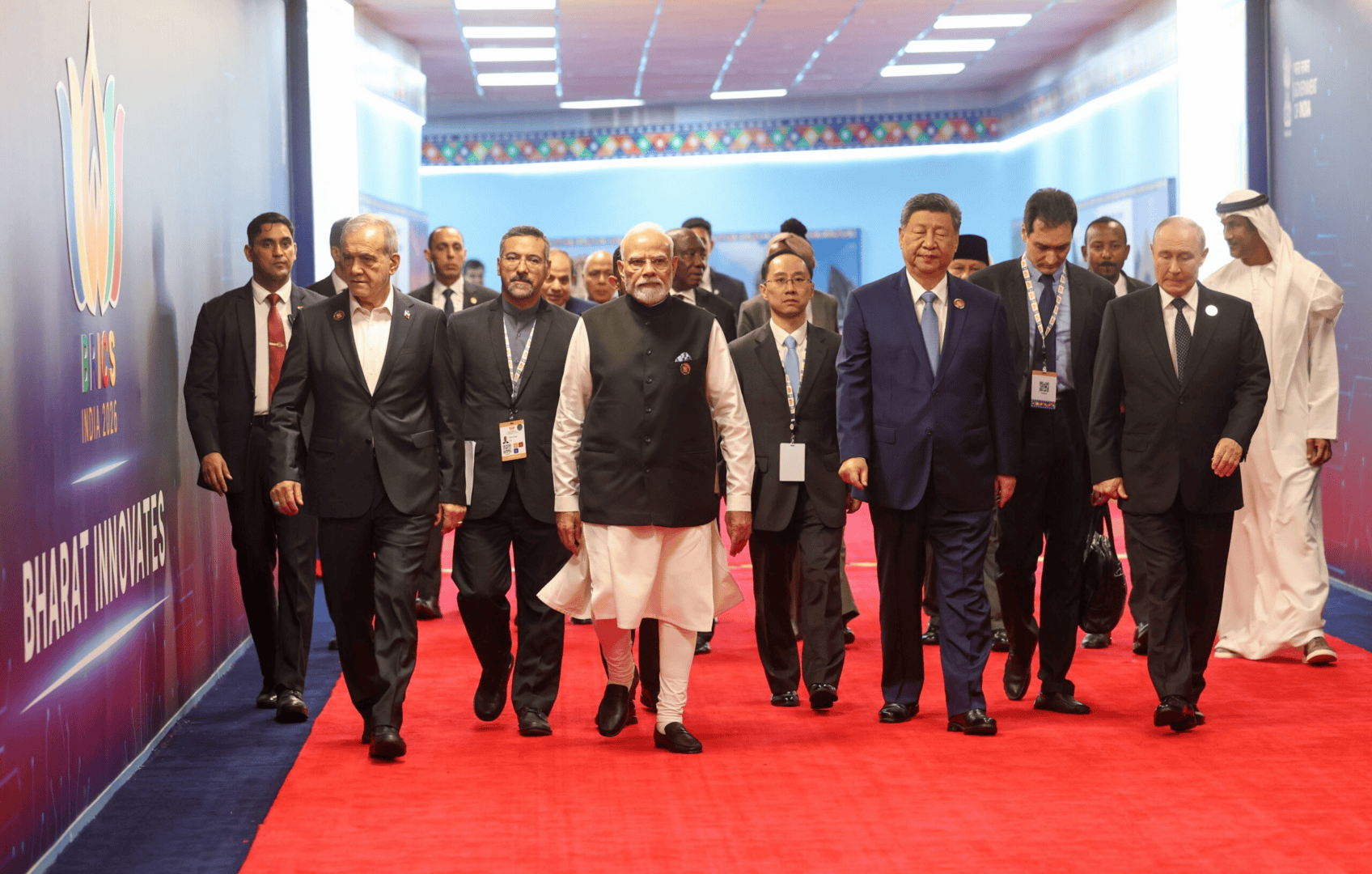
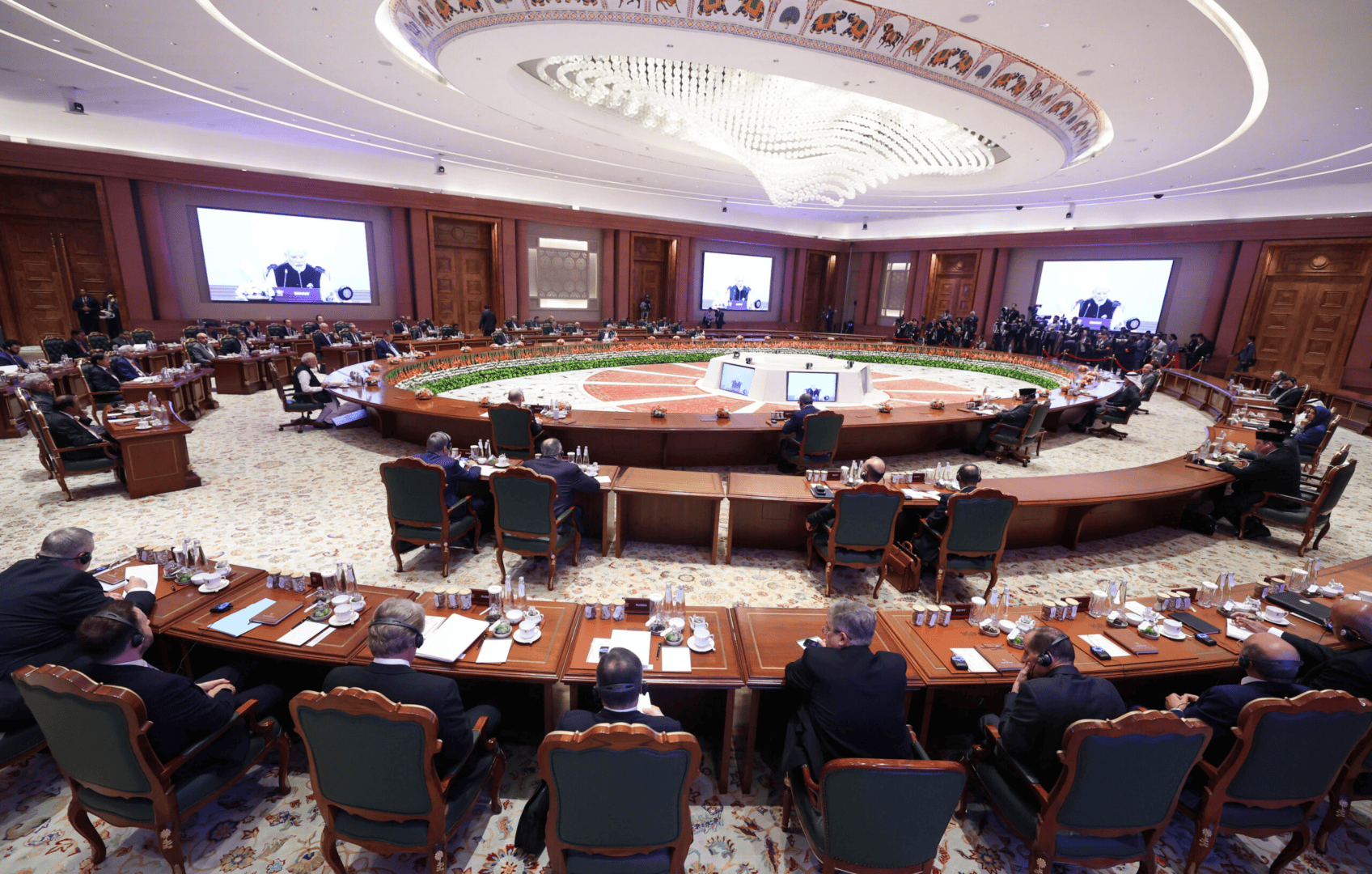
BRICS leaders adopted the New Delhi Declaration during the 18th BRICS Summit in New Delhi on 12 September 2026, setting out priorities for future cooperation in economic development, technology, finance, health, energy and other areas. The Declaration recognised progress under India’s 2026 BRICS Chairship and outlined the next steps for cooperation among member countries.
On economic cooperation, BRICS leaders recognised India’s role in advancing the Strategy for BRICS Economic Partnership 2030, which serves as the main framework for future sectoral strategies, programmes and roadmaps. The Declaration also highlighted the work of the BRICS Payment Task Force (BPTF) on cross-border payments. Members supported continued discussions on payment and messaging interoperability and the use of local currencies for trade settlements and investment.
Technology and innovation formed another key part of the Declaration. BRICS leaders welcomed the establishment of the BRICS Incubator Network and further consideration of a BRICS Startup Innovation Fund. They also supported cooperation in digital public infrastructure, artificial intelligence, advanced manufacturing and scientific research. The Declaration welcomed the establishment of the India Centre for BRICS Industrial Competencies and committed members to implementing the BRICS Leaders’ Statement on the Global Governance of Artificial Intelligence.
India’s Chairship also introduced new platforms for development and financial cooperation. BRICS leaders welcomed the BRICS Task Force on Growth and Development, which provides a platform for discussions on development priorities, digital transformation, artificial intelligence and climate finance. Members also expressed interest in further discussions on India’s proposal to host a BRICS Risk Lab at GIFT City International Financial Services Centre (IFSC) in Gujarat.

The Declaration further outlined cooperation in health, agriculture, energy and transport. Initiatives included digital health, agricultural networks, smart grids and energy storage. BRICS leaders also supported continued engagement between businesses, startups, researchers and other institutions through mechanisms such as the Young Scientists Forum, the Young Innovators Prize and related cooperation platforms.
Source: Press Information Bureau, Government of India